
อ่านรายละเอียดเพิ่มเติม


 17.12.2025 01:26 PM
Today, only the Canadian dollar was traded using the Mean Reversion strategy. I traded the British pound and the Japanese yen using the Momentum strategy.
Weak IFO data from Germany and a decline in eurozone inflation limited the euro's upward potential. The British pound, however, was hit much harder after news that prices fell in November instead of rising, which led to a sharp decline in GBP/USD. During the U.S. session, the focus will be on speeches by FOMC member John Williams and FOMC member Raphael Bostic. It will be quite interesting to see how they comment on yesterday's U.S. labor market data and what tone they take toward tomorrow's inflation figures.
Traders will closely watch for any hints of a possible change in the Fed's rhetoric regarding the outlook for interest rates. Uncertainty surrounding inflation on the one hand, and signs of a slowing labor market on the other, place the regulator in a difficult dilemma. The market is waiting to see whether FOMC representatives will interpret the recent labor market data as a reason for a more cautious approach to easing monetary policy. Given that the labor market is traditionally a key factor in the Fed's interest-rate decisions, comments from Williams and Bostic could have a significant impact on investor sentiment and movements in the currency market.
In the case of strong data, I will rely on implementing the Momentum strategy. If there is no market reaction to the data, I will continue using the Mean Reversion strategy.
Momentum Strategy (Breakout) for the Second Half of the Day
For EUR/USD
For GBP/USD
For USD/JPY
Mean Reversion Strategy (Pullback) for the Second Half of the Day
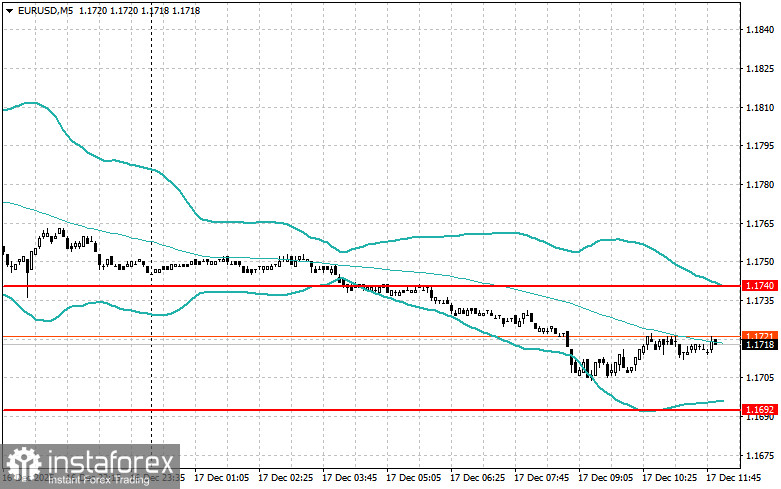
For EUR/USD
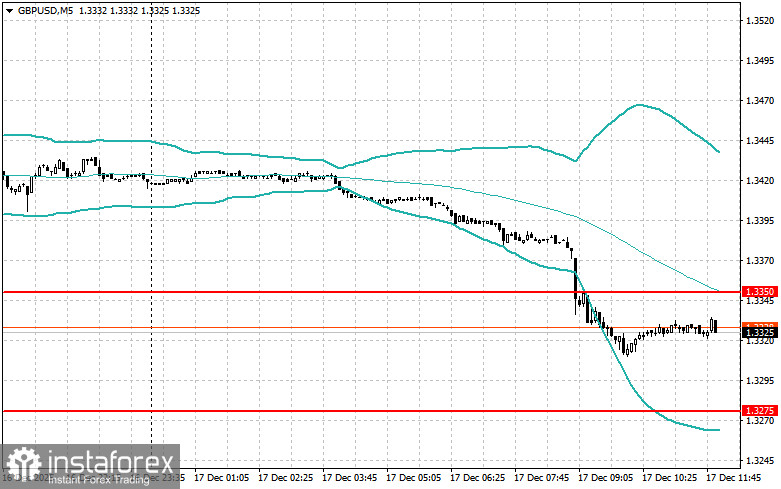
For GBP/USD
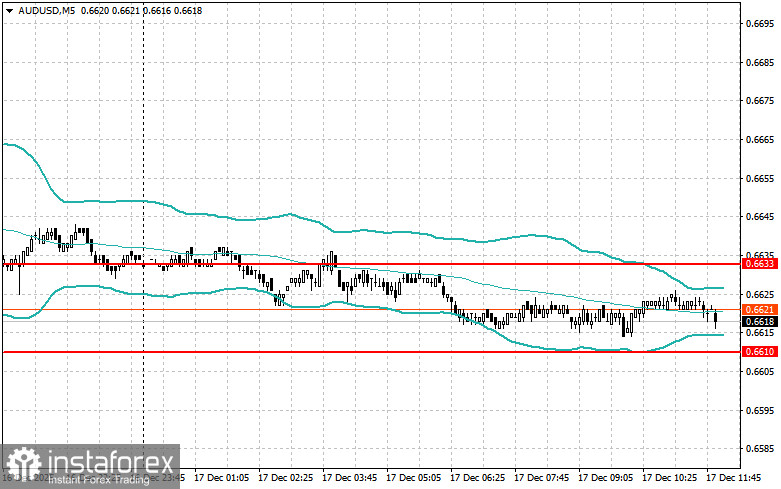
For AUD/USD
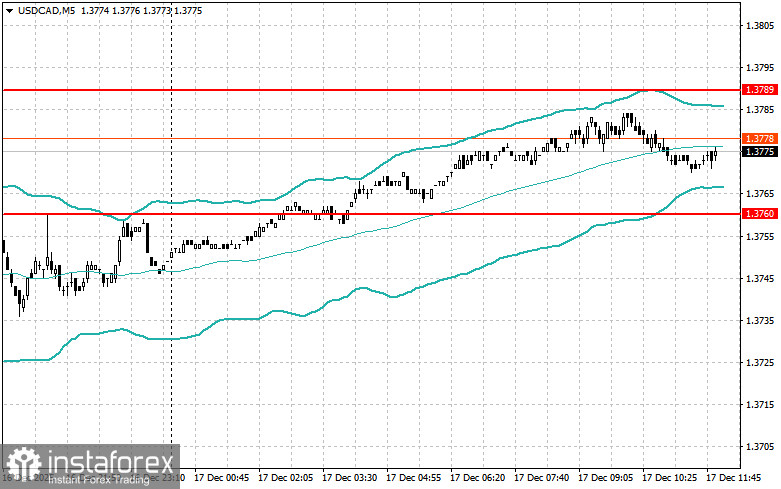
For USD/CAD


