
See also


 03.08.2026 04:10 PM
A sharp drop in oil prices after an OPEC+ output increase and easing of Iran-related supply fears. A sensational Microsoft surge on news of a $678bn AI order backlog and accelerating cloud growth. Record losses in Elon Musk's net worth as Tesla and SpaceX shares tumbled. And an acute MacBook Air shortage driven by an HBM2 memory squeeze caused by a data-center AI demand surge, forcing Apple to steer buyers toward higher-priced models. Together, these developments show how geopolitics, corporate results, and component shortages interact to create new trading and investment opportunities.

On Sunday, seven OPEC+ members — Saudi Arabia, Russia, Iraq, Kuwait, Kazakhstan, Algeria, and Oman — agreed to raise output by 188,000 barrels per day from September. The decision effectively completes the staged rollback of voluntary production cuts that began in 2023 (the total cut was 1.65m b/d).
Announced at a virtual meeting, the move was immediately reflected in markets: futures plunged over the weekend as diplomatic tensions in the Middle East eased.
The 188k b/d tweak is the final step in unwinding the voluntary restraints introduced in April 2023. At that time, the UAE was still part of the coalition — the UAE formally left OPEC in May 2026.
Reuters and market commentators say that after the September adjustment, the group will likely pause and consider adding supply later in 2026 while negotiating 2027 quotas. Rystad Energy highlights that, having restored volumes, OPEC+ has little incentive to rush further changes. The decision coincided with a de-escalation between the US and Iran: President Donald Trump said he called off planned strikes after appeals from regional partners and referenced "parameters of a deal," including "an immediate, full, and unconditional reopening of the Strait of Hormuz."
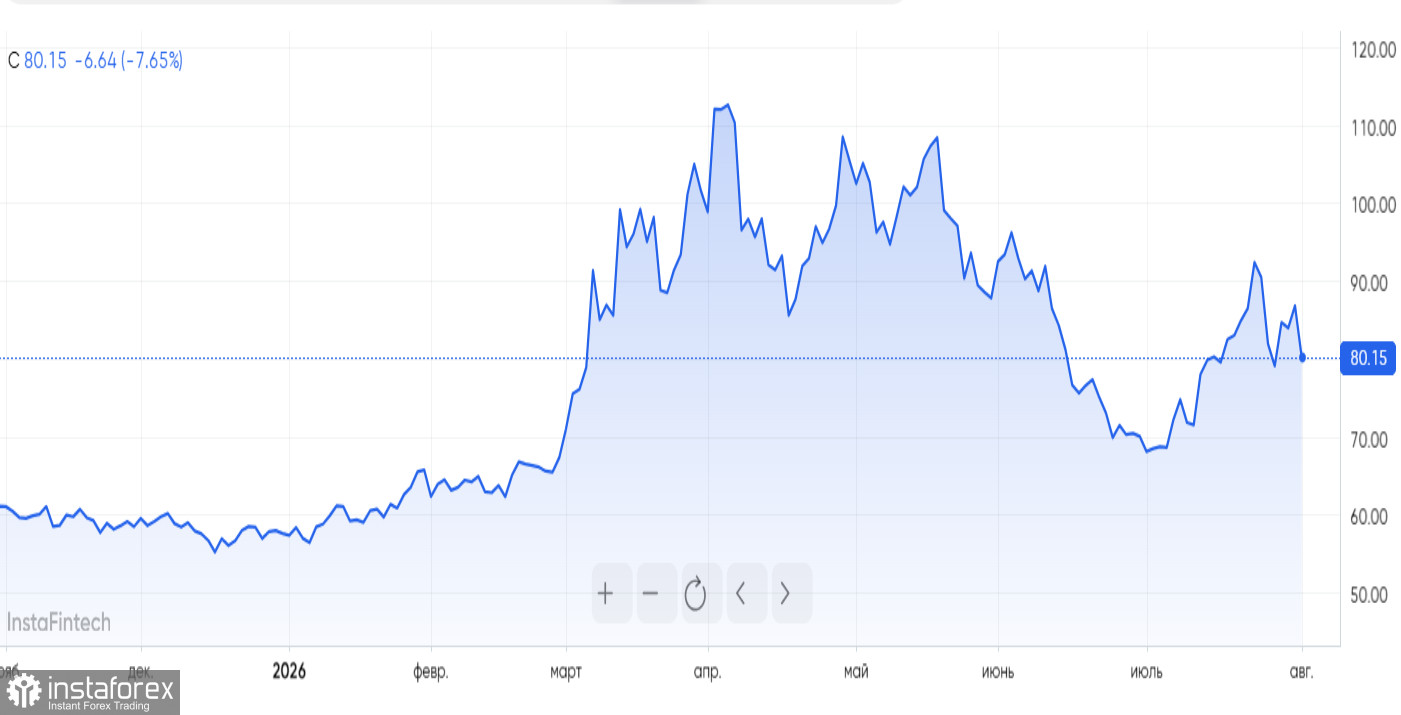
Iran initially denied the claim but later said its foreign ministry had received a new proposal on shipping and was open to talks. The retreat in escalation reduced the risk premium on oil and allowed prices to correct.
Brent front-month futures fell from highs near $91 to about $84, while WTI eased to roughly $81, marking a decline of more than 13% from July peaks. Markets are pricing in both the end of voluntary cuts and the improved geopolitical picture, but volatility remains elevated.
The situation creates opportunities for energy traders: short-term volatility trades in Brent/WTI futures and CFDs, portfolio hedging, and technical pullback strategies after OPEC+ and geopolitics headlines.
The trading instruments mentioned (Brent, WTI, and other oil products) are available on the InstaTrade platform. If you plan to trade, open an account on InstaTrade and download the mobile app to access the market and react quickly to further news.
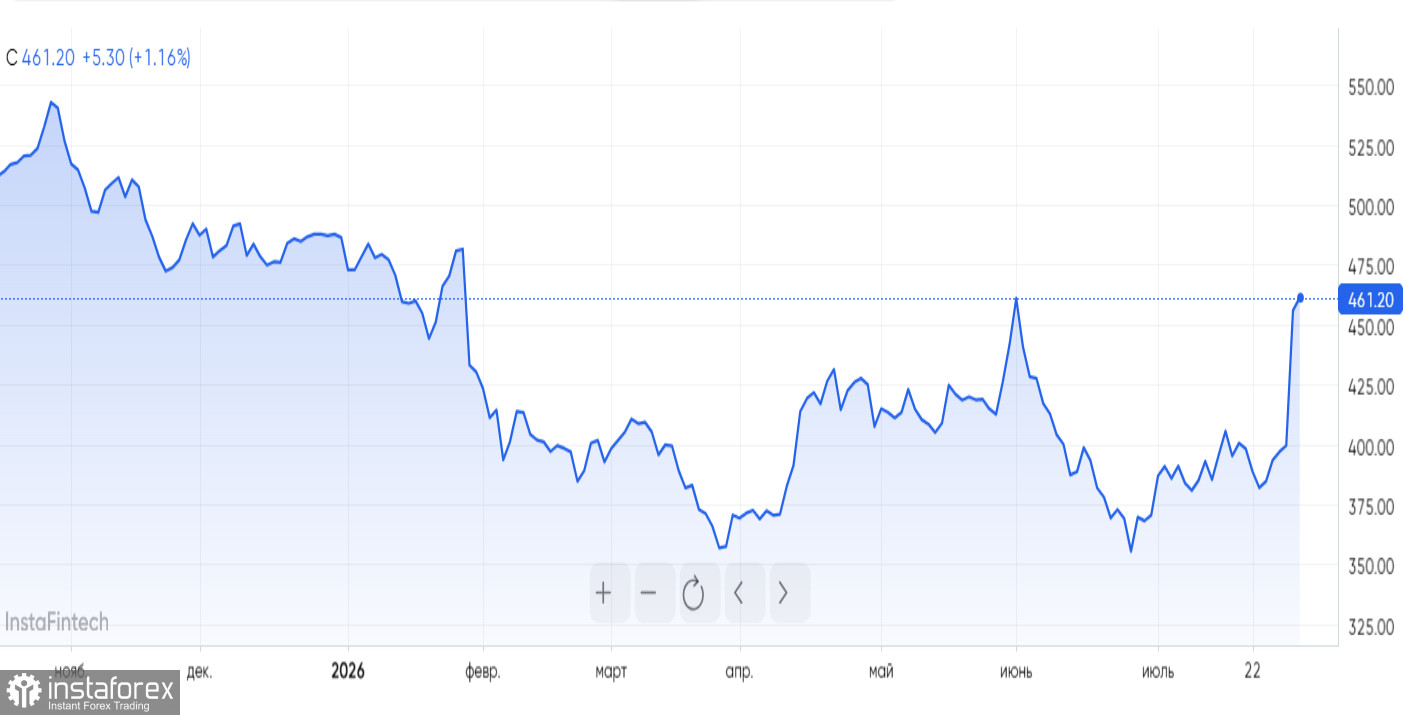
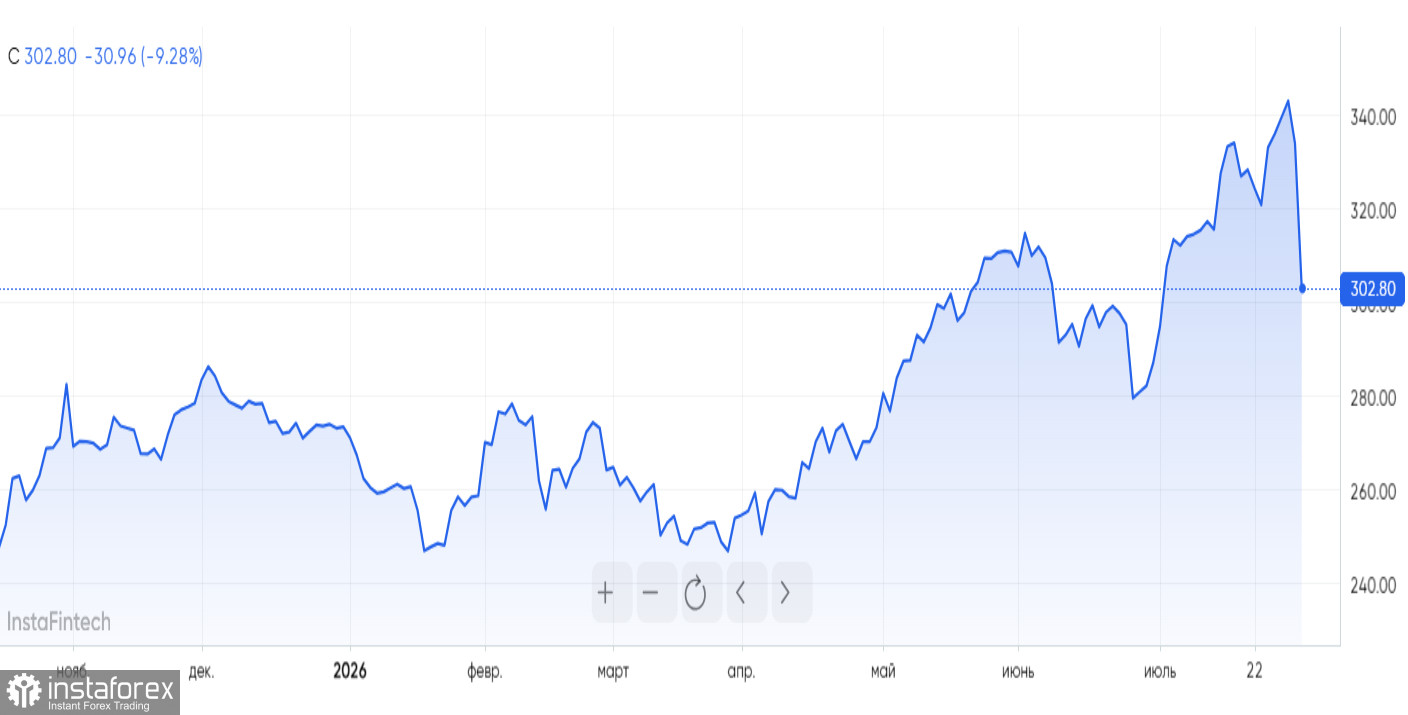
Last week, Microsoft put on a show for investors: the stock notched its largest weekly gain in years after the company disclosed a commercial order backlog of $678bn, up 84% year-on-year. For the week ending 1 August, Microsoft shares rose by roughly 22% following the publication of FY-2026 Q4 results.
The climax came on Thursday, when the stock jumped by about 16%, and the company's market capitalisation rose nearly $450bn, the largest one-day market-cap gain in public-company history, surpassing Nvidia's $441bn intraday increase in April 2025.
A $678bn pipeline of contracted commercial orders exceeds Microsoft's two years of annual revenue: the company generated $331.8bn in FY-2026. Management says that roughly 30% of that backlog should convert to revenue within the next 12 months, implying about $203bn of contracted sales in the near term. For the market, this signals that demand for cloud services and AI solutions is materially outpacing current supply.
The Azure cloud business continued to impress. Revenue grew 43% y/y, above analyst consensus of ~40%. Guidance for the current quarter implies Azure growth of about 45% in constant currency versus street expectations near 41%. Satya Nadella noted that Azure revenue surpassed $100bn for the first time, and the company opened 31 new data centres during the quarter — a clear priority for scaling AI infrastructure.
Microsoft's results were not isolated. Amazon shares jumped by roughly 15% after AWS reported 37% revenue growth, well above the ~31% consensus. Amazon reiterated ~$220bn of planned capex for calendar-2026, underscoring the scale of hyperscaler investment in AI infrastructure — even as the company reported negative free cash flow over the past 12 months.
By contrast, Apple delivered a more muted print: iPhone maker shares fell by 7.6% after Apple guided revenue growth of 9–11%, while analysts expected roughly 12%. Leadership in the race for capital and cloud infrastructure is clearly shifting toward the firms that are aggressively investing in data centers and cloud solutions.
Traders can act on these developments: strong results and large capex commitments create entry points for long positions in cloud leaders and related instruments, while unexpected downdrafts — as with Apple — offer short-term tactical opportunities. Risk management is critical, however, because the sector remains prone to sharp price swings.

Elon Musk has lost nearly half his net worth since mid-June — already one of the dominant stories of the summer. According to the Bloomberg Billionaires Index, his fortune fell from roughly $1.33tn to about $684bn as of 1 August. A decline of more than $646bn represents the largest personal loss of wealth in history, with the sharp drops in SpaceX and Tesla shares identified as the main drivers.
Brief arc of the surge and collapse: Musk briefly became a global trillionaire after SpaceX's high-profile IPO in June — the stock priced at $135 and ran to $225.64. By the end of July, SpaceX shares had retraced roughly 50%, trading near $108–$112, and Musk quipped on X on 24 July that he was a "former trillionaire."
Why such a drop? SpaceX is facing a series of problems: Starship test-launch delays, and the headline acquisition of AI-tool developer Cursor for about $60bn paid entirely in stock (diluting existing holders).
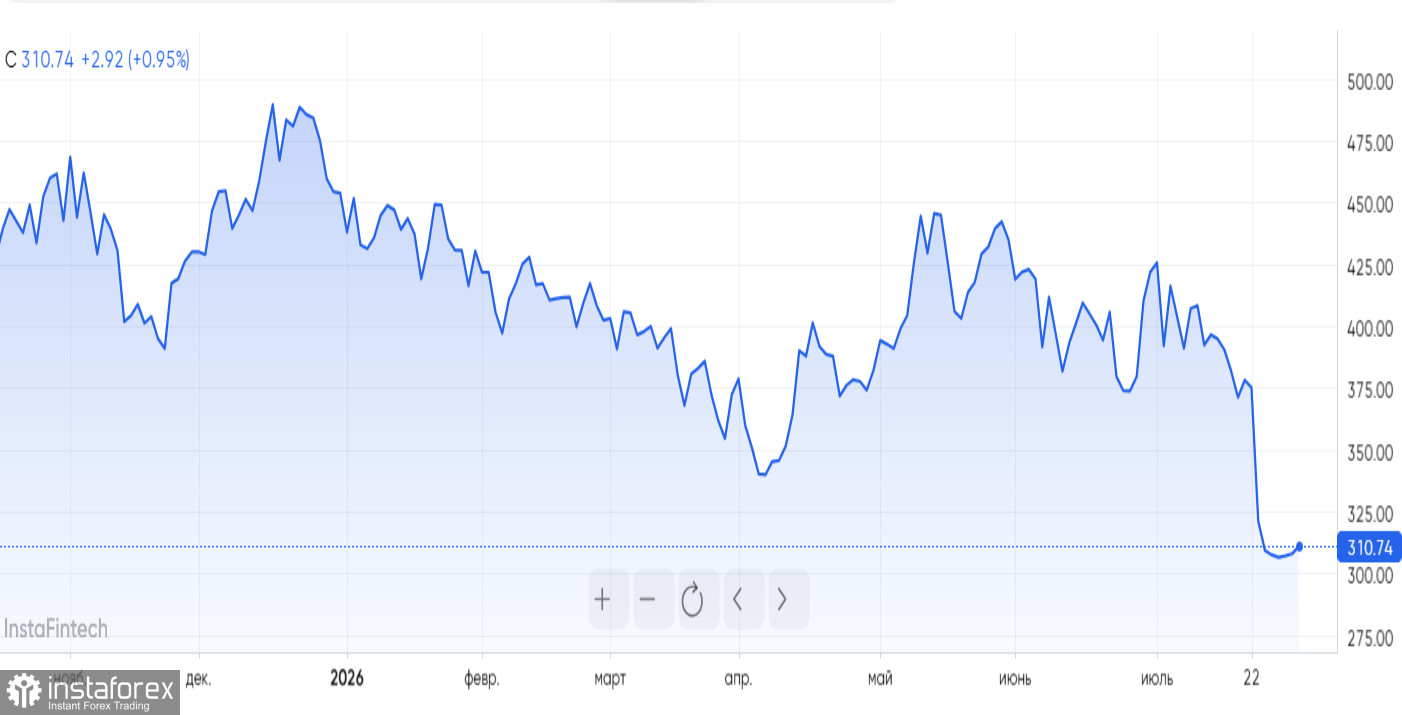
Analysts say the valuation had become highly sensitive to operational missteps — there was little margin for error. Tesla's stock slumped as well (down roughly 37% from its 2026 peak) after the company reported Q2 operating income of $400m, well below Wall Street's ~$1.72bn consensus.
These financial "earthquakes" hit more than Musk alone: Forbes calculates that the combined wealth of the world's ten richest people fell by $368bn in July, of which $363bn was attributable to Musk alone. Despite the losses, he remains the richest person on the planet. His net worth still exceeds the combined fortunes of Larry Page and Jeff Bezos.
Investors should closely monitor Starship news, Tesla reports, and capital-structure moves following major transactions — these events will drive the next leg of share-price action.
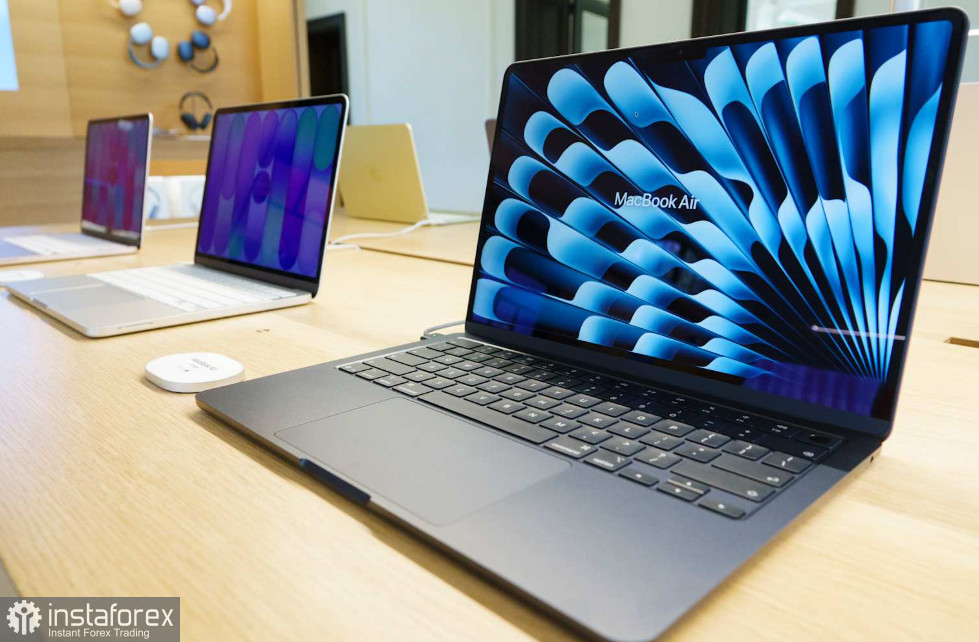
Apple has caught buyers off guard: the MacBook Air, refreshed five months ago with the M5 chip, is effectively unavailable. On Apple's official online store, delivery estimates for base configurations now slip to late August–early September, and in-store staff describe inventory as "the most limited they've ever seen," Mark Gurman reports in his Power On newsletter.
The root cause is not demand for laptops per se but a memory shortage: AI-driven data centers have sharply increased consumption of high-performance HBM2 DRAM. That reallocation of supply chains has squeezed consumer memory and storage components.
Rising component costs (SSD and DDR5) forced Apple to raise prices on Macs and iPads in late June — increases ranged from roughly $100 to $400+, depending on model.
The price for the base MacBook Air model has risen from $999 in March to $1,099 and then to $1,299, yet devices remain scarce. Similar shortages previously hit Mac mini and Mac Studio inventories.
Apple is openly steering customers toward the more expensive 14-inch MacBook Pro — an unusual pivot for the company. That helps clear existing stock ahead of an expected M6-based refresh, anticipated later this fall.
The Back-to-School promotion has been delayed and now emphasises MacBook Pro. Marketing materials carry a "MacBook Air — while supplies last" notice. Apple is negotiating additional memory supply with Chinese vendors, but any relief from this is likely to be limited to China initially.
Those needing a laptop now have limited choices. Some M5 MacBook Air units remain available on Amazon with next-day delivery and roughly $100 discounts from third-party sellers, but those inventories can evaporate quickly. The shortage is industry-wide — switching to a Windows laptop does not guarantee immediate access to comparable machines.
Industry watchers expect the memory shortage to persist through 2028. Gurman does not expect a new MacBook Air to arrive before Apple ships a 14-inch MacBook Pro on M6 this autumn, so the shortage is unlikely to ease soon.
The memory shortage and rising component prices create trading opportunities. Market participants should watch memory manufacturers (DRAM/HBM suppliers), semiconductor producers, chip-equipment vendors, and Apple's supply chain. Sector ETFs and contractors exposed to servers and AI infrastructure may see interesting moves.
The trading instruments mentioned in this note are available at InstaTrade. To act on these market developments, consider opening an InstaTrade trading account and downloading the mobile app for timely access to the markets.


