
See also


 17.03.2026 10:39 AM
The last time the UK was hit by a major energy crisis — after Russia unleashed a special military operation in Ukraine — the Bank of England raised interest rates to rein in surging inflation. This time, such a manoeuvre may not work.
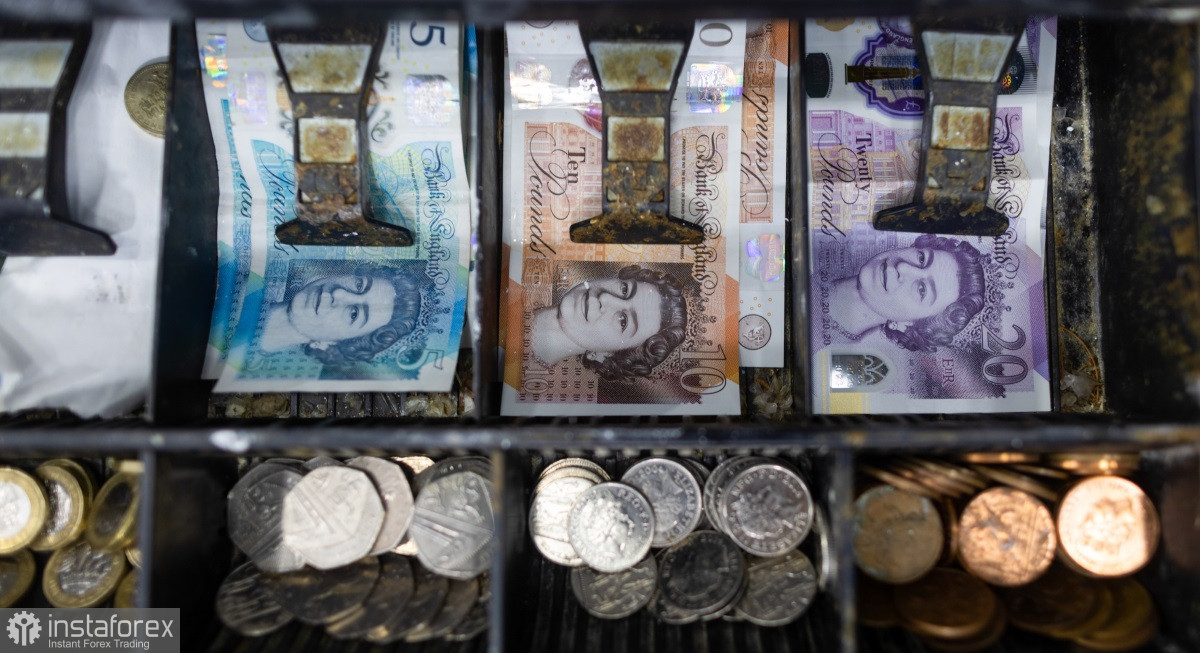
The pound sterling is rapidly losing ground against the US dollar after the real probability of a new energy crisis and another inflation spike in the UK rose sharply. Four years ago, a sudden jump in prices struck an overheated economy when unemployment was at a 48?year low and vacancies were at record highs. Now the situation is different. Households have little savings and unemployment is rising quickly. In this environment, rate hikes could become a major problem for the whole British economy. Job openings are being cut, economic growth is slowing, and monetary and fiscal policy are weighing on activity.
At the policy meeting on Thursday, the Bank of England will likely give some indication of its next steps, as US and Israeli strikes on Iran continue to destabilise oil and gas prices. Markets had previously priced in another rate cut later this year, but uncertainty has surged. Traders are now betting that cuts will not happen; instead they expect the key interest rate to rise back toward 4% by December. Economists broadly expect the policy rate to be left unchanged this week.
As noted earlier, the Monetary Policy Committee will publish a preliminary assessment of the Iran conflict's impact, which has driven oil up about 42% and gas up about 57% since February 28. It is likely to echo David Miles of the Office for Budget Responsibility, who told lawmakers last week that higher energy prices could add roughly one percentage point to inflation, lifting consumer inflation in the second half of 2026 to about 3% versus the pre-war forecast of 2%.
Some economists say the current situation resembles 2011 more than 2022. Back then, higher oil and commodity prices produced 5.2% inflation in 2011, but the Monetary Policy Committee did not react.
All of this is putting pressure on the British pound.
Technical outlook on GBP/USD
Pound buyers need to clear the nearby resistance at 1.3290. Only then can they target 1.3335, above which a further breakout will be difficult. The more distant upside target is around 1.3365. On the downside, bears will try to seize control at 1.3265. If they succeed, a break of that range would deal a heavy blow to the bulls and could push GBP/USD down to 1.3240 with a potential extension to 1.3220.


