
یہ بھی دیکھیں


 04.05.2026 01:12 PM
Today, only the euro was traded using the Mean Reversion strategy. I traded the pound using the Momentum strategy.
The euro, pound, and other risk assets declined following news that Iran had attacked a U.S. military ship attempting to enter the Strait of Hormuz area. However, the Americans have so far denied that such an attack took place. It hardly needs to be reminded that the situation in the Strait of Hormuz region is currently one of the key factors determining the future direction of the U.S. dollar and risk assets. The observed volatility indicates increased sensitivity of financial markets to geopolitical risks. Nevertheless, the lack of official confirmation from U.S. sources calls for caution.
In the second half of the day, attention will also be focused on U.S. factory orders data. These figures are traditionally considered a leading indicator of business activity and may provide insight into the condition of the U.S. industrial sector. Positive trends are expected to continue; however, any deviation from forecasts could trigger some market volatility.
Additionally, remarks from FOMC member John Williams will be of significant interest. His comments on the current economic situation, inflation expectations, and the outlook for monetary policy could have a substantial impact on market expectations regarding future interest rates.
In the case of strong data, I will rely on the Momentum strategy. If there is no market reaction to the data, I will continue using the Mean Reversion strategy.
Momentum strategy (breakout) for the second half of the day:
For EUR/USD:
For GBP/USD:
For USD/JPY:
Mean Reversion strategy (pullback) for the second half of the day:
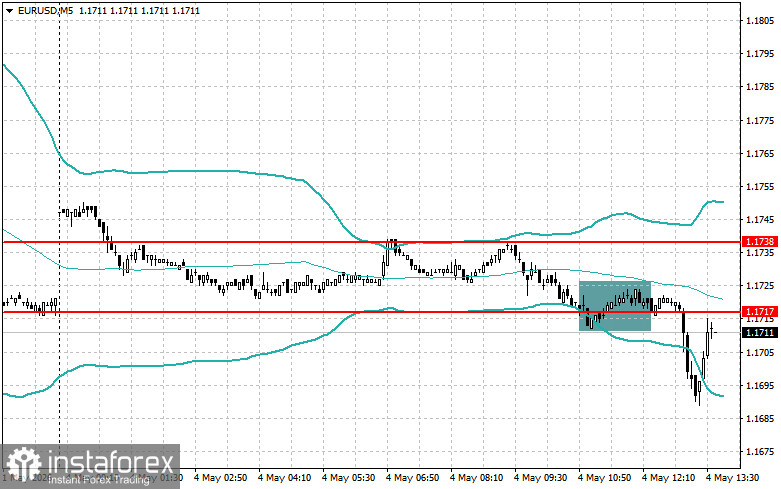
For EUR/USD:
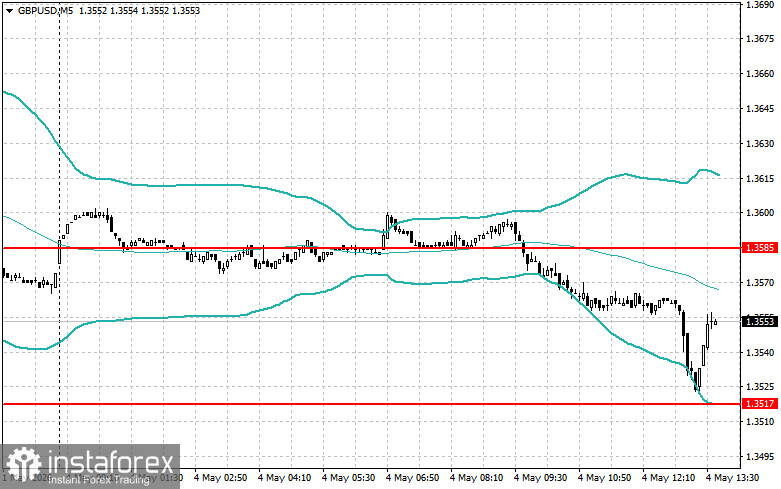
For GBP/USD:
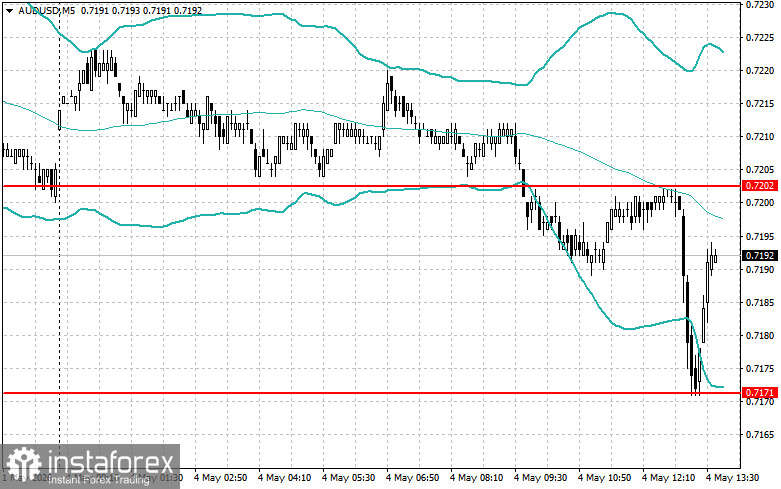
For AUD/USD:
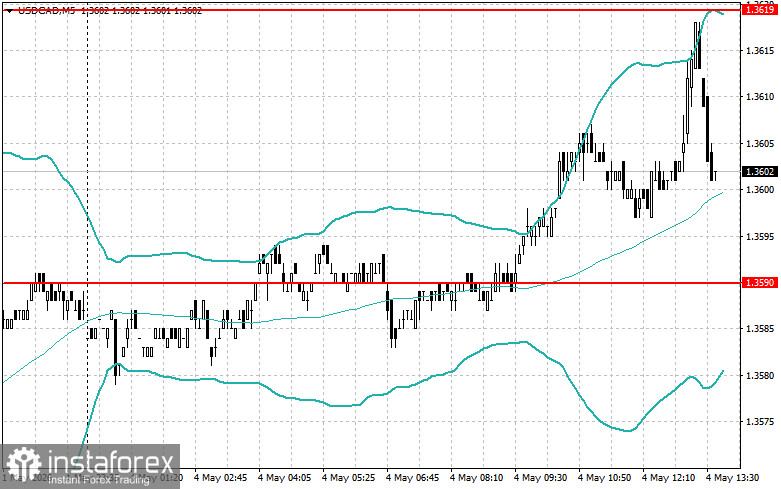
For USD/CAD:


