
यह भी देखें


 14.09.2026 10:57 AM
At the same time, the crypto market is under pressure: inflation concerns and hawkish Fed rhetoric are forcing investors to be cautious ahead of the regulator's meeting.
Despite market turbulence, "smart money" is flowing into prospective sectors: the AI industry is preparing for a record IPO, and Apple's entry into the foldable?phone market threatens to reshape the entire consumer?electronics landscape.
In this briefing, we analyze four key events of the week that are shaping the agenda.
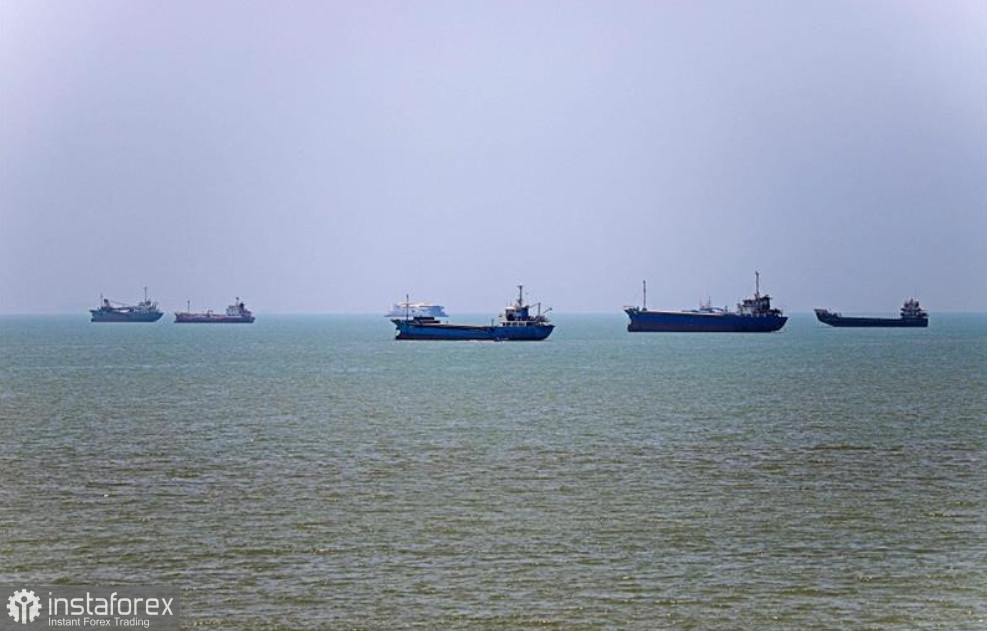
Markets had hoped for a breather, but diplomats again threw up their hands. A meeting that could have been the first step toward easing tensions around the Strait of Hormuz was unexpectedly postponed. For traders, this means one thing: the geopolitical premium in oil prices will remain at least into the start of the new trading week.
Oman's foreign minister, Badr al?Busaidi, announced the postponement of the regional meeting in Salalah that was scheduled for Monday, saying the pause was "to create conditions conducive to constructive dialogue." That sounds elegant, but in practical terms it means the parties could not agree even on basic cooperation parameters. The new date is unclear.
Tehran and Muscat have already exchanged veiled signals. While Oman has stayed diplomatically coy on details, Iranian news agency Fars — citing the foreign ministry — said the initiative to pause came from "certain regional countries" that pushed for the delay.
The open secret came out before the official announcement: Bahrain took a hard line and refused to attend, calling any attempt to "appease" Tehran unacceptable.
Bahrain's stance is uncompromising: the Strait should be free of charges, restrictions or permits. Moreover, Manama issued an ultimatum — there will be no joint meetings with Iran until diplomatic relations are restored.
That boycott effectively buried the idea of a broad regional consensus.
The situation around Hormuz — which in peacetime handles about one?fifth of the world's oil and LNG — has been explosive for seven months since the US–Israel campaign against Iran began in late February.
The core sticking point is money. Tehran effectively proposed introducing a "passage tax" for vessels. Oman, as mediator, tried to soften that with a voluntary payment model limited to navigation security services.
No compromise has been found. It's also notable that Washington has been working behind the scenes: according to available reports, the US is sabotaging a Hormuz-centered approach, insisting that any contacts with Tehran focus only on its nuclear program, not logistics.
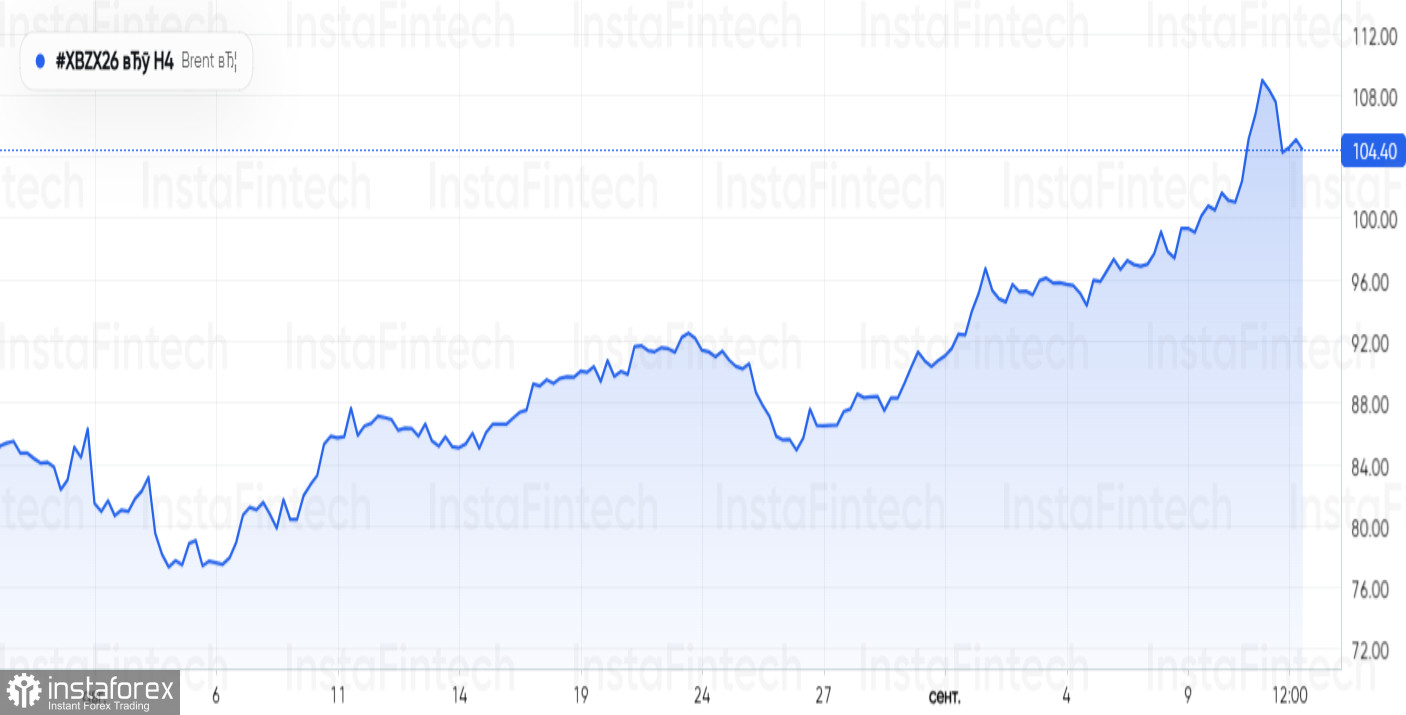
While diplomats stall, traders profit. Brent is comfortably holding above the $100/bbl psychological level. The market had already priced a supply-risk premium, and Sunday's announcement of postponed talks only cements that bullish sentiment.
Diplomatic progress that was already fitful has slipped back into uncertainty — and uncertainty is the best friend of volatility.
The crypto market is reeling again, and one of the week's favorites — XRP — has been hit particularly hard. On Saturday, September 12, the token plunged to $1.35, down about 7% for the week. The panic isn't due to XRP fundamentals but to macro developments: traders are nervously awaiting the Federal Reserve meeting on September 16.
Selling accelerated after two consecutive inflation shocks. On September 11, the US Bureau of Labor Statistics reported that the consumer price index rose 0.4% month-on-month in August (seasonally adjusted), while core CPI (excluding food and energy) increased 0.3% — 0.1% above analysts' expectations.
The market reacted immediately. Predictive markets (Polymarket) moved the odds of a 25-bp Fed hike from roughly 57% to 83%.
Remember that the funds-rate target has been stuck at 3.50–3.75% through 2026. Raising it to 3.75–4.00% would be a cold shower for crypto.
Why risk holding "digital gold" that pays no guaranteed yield when 10-year US Treasuries returned 4.95% on September 10 (a yearly high) with virtually no risk? The opportunity cost of owning crypto grew too steep.
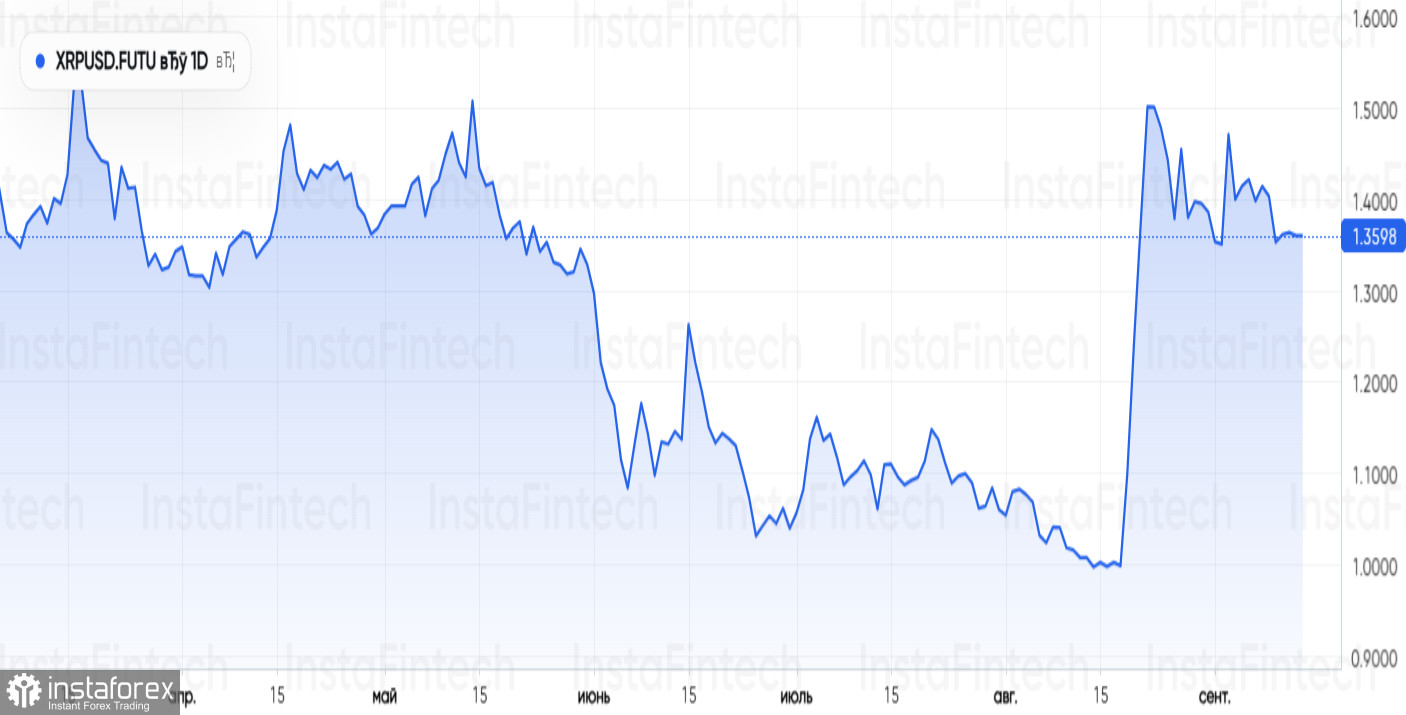
On that macro backdrop XRP began to sink faster than the rest. Over the week, XRP fell 7.1%, while Bitcoin lost 5.2% and Ethereum only 1.8%.
Crowd sentiment is reflected in perpetual-swap funding rates (CoinGlass data cited by 247 Wall St), which plunged to -0.0094% — the most bearish reading since June 28. In simple terms, short positions are being opeed to hold bearish positions, showing conviction in further declines.
Still, keep in mind that XRP has high beta: in the prior 30 days, it had surged 32.2%, leading the market. When the wind turns, its drop is correspondingly steeper.
Institutional flows have also cooled: inflows to spot XRP ETFs dried up after modest early-week receipts, and US spot Bitcoin ETFs have recorded four consecutive days of outflows as of September 11.
CCN experts warn that, should the Fed hike by 25 bps, Bitcoin could see a short-term drop of 1–5%, which would likely cascade into altcoins.
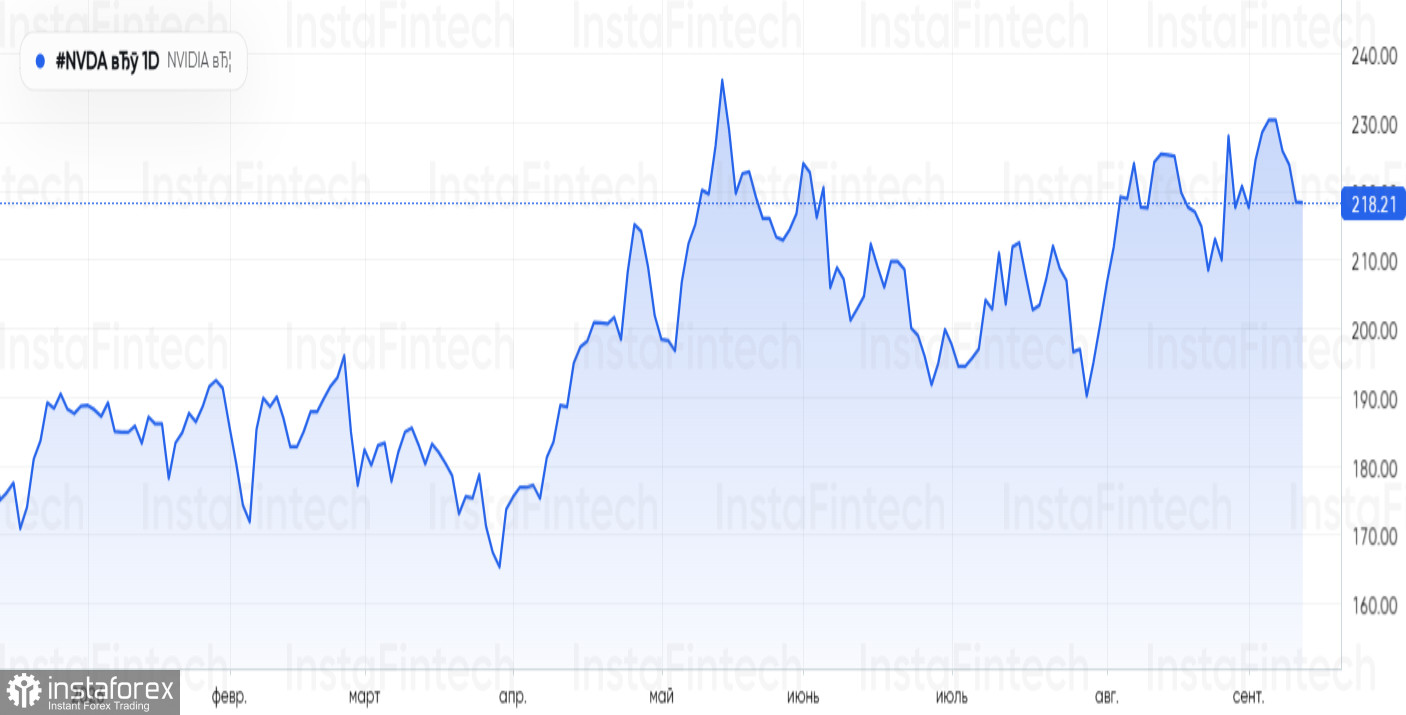
A market event that could rewrite economic textbooks is taking shape: Anthropic, creator of the Claude model, is preparing what may become the largest IPO in history — and Nvidia could be the anchor investor, ready to commit up to $10 billion.
The numbers are staggering. Anthropic's IPO could raise as much as $100 billion and value the company at roughly $2 trillion. If the deal goes through, Nvidia will be viewed not only as the leading supplier of AI hardware but as a chief financial architect of the AI industry.
Insiders warn talks are ongoing and subject to change, but the deal's foundations look robust. This move extends an already deepening relationship: in November 2025 Nvidia invested up to $10 billion in Anthropic, and Anthropic committed to buy some $30 billion of Azure compute capacity powered by Nvidia chips.
Late August reporting in The Wall Street Journal disclosed another breathtaking deal: Anthropic, with Nvidia's backing, agreed with Lambda to lease a Texas data center (built by Hut 8) for 15 years under a $35 billion cloud-computing contract. The symbiosis between the two giants is deepening.
Anthropic filed an S-1 confidentially with the SEC on June 1. The prospectus is expected by the end of September, the roadshow could start mid-October, and the listing is planned before the US midterms in November.
Anthropic's growth is extraordinary: revenue jumped from about $9 billion at the end of 2025 to roughly $65 billion by end-July 2026. In May, during an H-series round, the company raised $65 billion at a post-money valuation close to $1 trillion ($965 billion).
Anchor investors — heavyweights who commit to buy shares ahead of the public offering — would signal confidence and set the tone for the market. Past examples include Nvidia and Amazon anchoring Arm's IPO and the Saudi PIF anchoring SpaceX. Now it's Anthropic's turn.
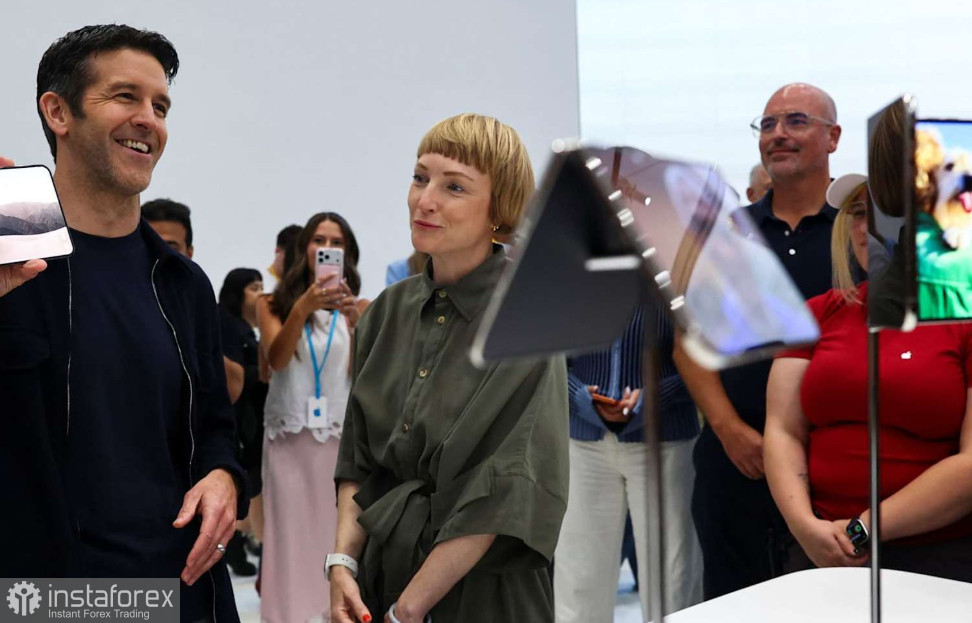
September 9, 2026 produced the moment the tech industry had been waiting for. Apple's announcement of its first foldable iPhone detonated like a bomb. Loyal Samsung fans are among the most surprised beneficiaries — now they wait with bated breath to see how the South Korean giant will respond.
The iPhone Duo, priced at $1,999 and due on October 23, marks the end of Apple's passive stance toward the foldable niche. Years of dominance by Samsung, Google and Chinese brands are over — at least that's the view some now hold. As SamMobile put it, "no competition compares to competition from Apple." Reddit threads about Samsung's planned reply, reportedly the Galaxy Z Fold 9, have exploded.
Samsung isn't surrendering without a fight. Reuters reports the company has launched an aggressive marketing push, emphasizing its hardware leadership and pioneer status in the segment.
Usage stats show the battlefield is well prepared: CNBC reports iOS users switching to the Fold 8 grew 1.6x versus the previous generation, and in the US one in three Galaxy Z Flip 8 buyers previously used competitor phones.
Analysts are crunching numbers: TrendForce projects Samsung will ship about 7.1 million foldables in 2026 (35.1% market share). Experts estimate Apple could ship 5 million iPhone Duo units and immediately capture 24.8% of the market. Apple's rapid entry into the space would place enormous pressure on Samsung and force a serious Fold 9 response.
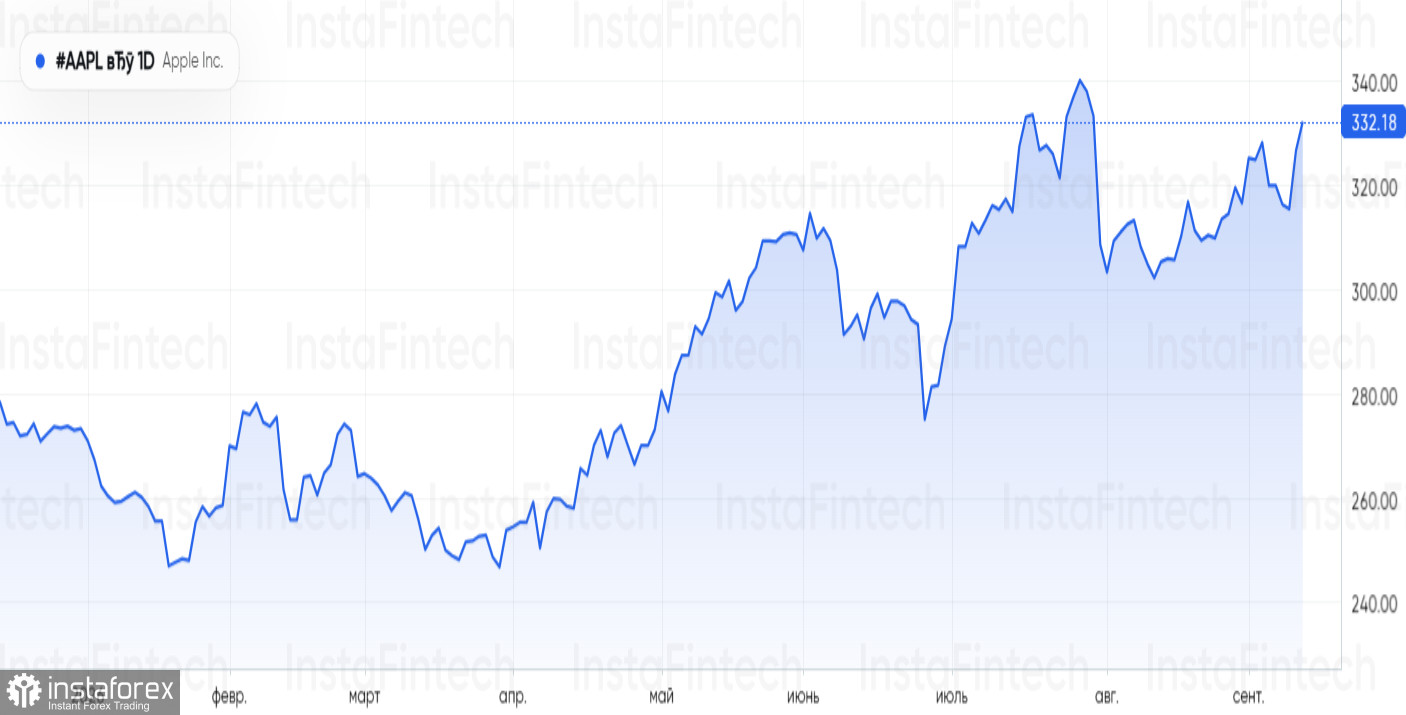
Apple's influence extends beyond hardware. Notebookcheck noted Apple's folding animation is so impressive that Chinese makers are already scrambling to emulate it.
What do Samsung fans expect from Fold 9? A return of a convenient Flex Mode, revolutionary camera improvements, record battery life and a much less visible crease. But SamMobile warns that Fold 9's hardware was likely finalized before Apple's announcement. The biggest changes may be reserved for a Fold 10 — a 10th?anniversary model.
Either way, Apple's entry makes the market more competitive and shifts foldables from a niche to mainstream status. That will create volatility in tech stocks and trading opportunities.
The instruments discussed here (Apple and Samsung shares, tech-index CFDs and ETFs) are tradable on the InstaTrade platform. Open an account and download the mobile app to stay on top of major financial battles this fall.

