
यह भी देखें


 10.04.2026 01:17 PM
The euro, British pound, and Australian dollar performed very well today using the Mean Reversion strategy. I did not trade using the Momentum strategy, although the Canadian dollar looked quite promising.
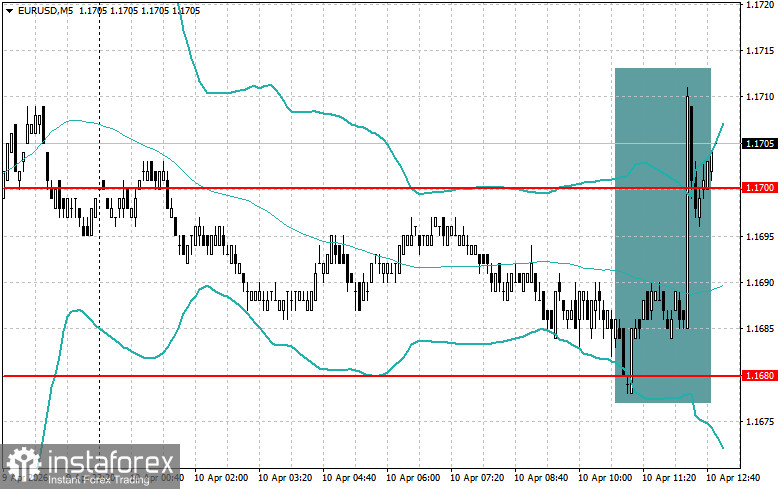
Next, we await the first U.S. inflation data since the start of the war involving the United States, Israel, and Iran. Figures are expected for the March U.S. Consumer Price Index, as well as the University of Michigan Consumer Sentiment Index along with inflation expectations. These reports will serve as key indicators of how geopolitical tensions and ongoing economic challenges are affecting price stability in the world's largest economy. Markets are closely monitoring every change, as inflation data directly influences Federal Reserve decisions on monetary policy, particularly interest rates.
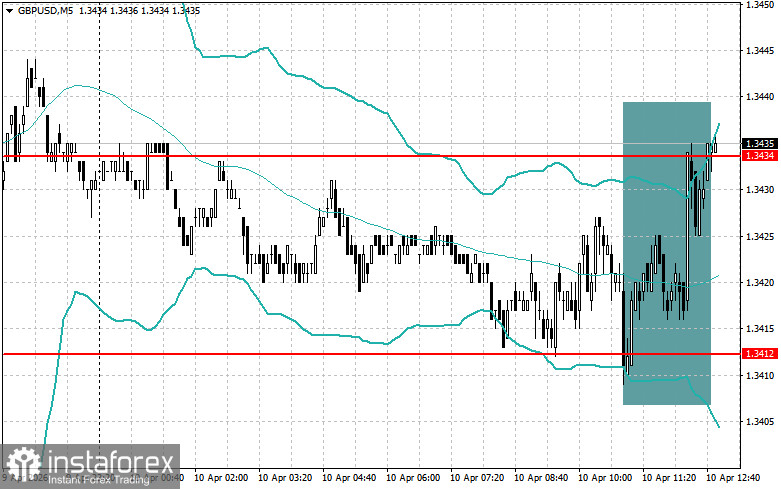
Special attention will be paid to the core Consumer Price Index, which excludes volatile components such as food and energy prices. This indicator is often considered a more accurate reflection of underlying inflation trends. Data from the University of Michigan will also be important, as it shows how consumers perceive the current economic situation and their expectations for future prices. Any deviation from forecasts could trigger significant volatility in financial markets.
In the case of strong data, I will rely on the Momentum strategy. If the market shows little reaction to the data, I will continue using the Mean Reversion strategy.
Momentum Strategy (Breakout) for the Second Half of the Day
For EUR/USD
For GBP/USD
For USD/JPY
Mean Reversion Strategy (Pullback) for the Second Half of the Day
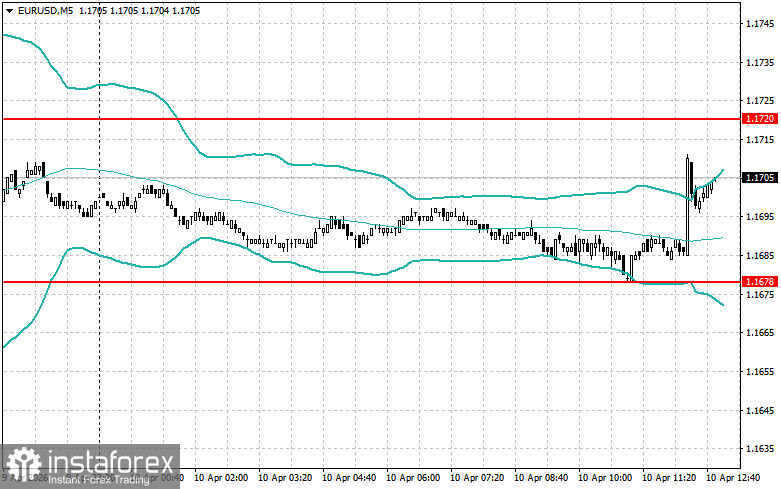
For EUR/USD
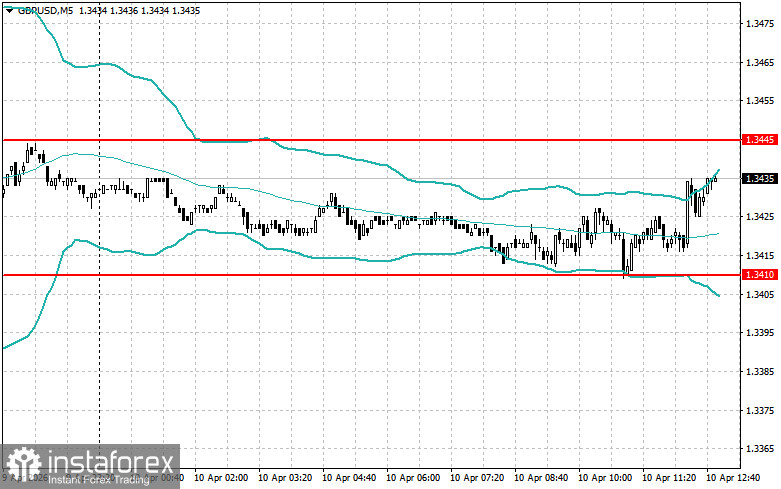
For GBP/USD
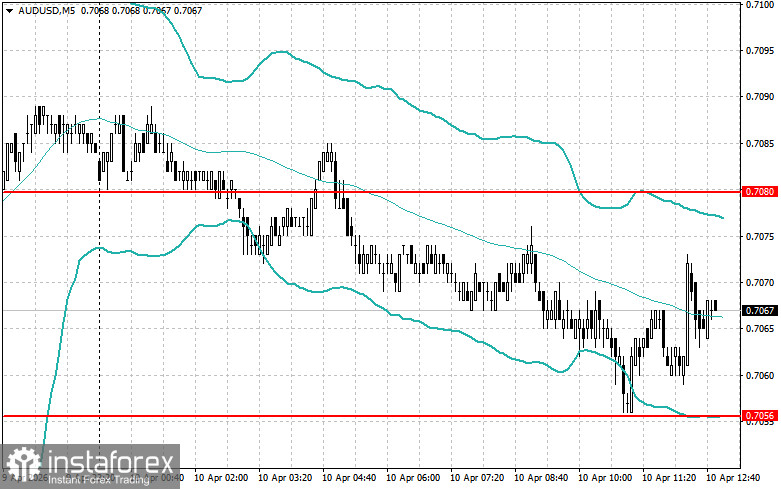
For AUD/USD
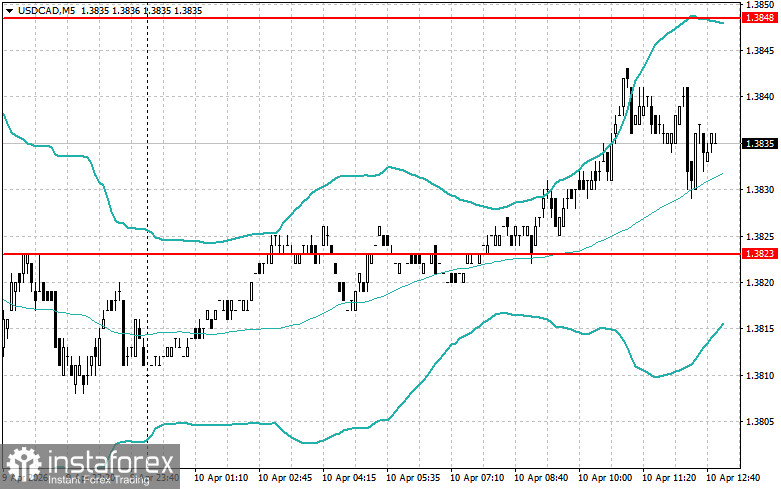
For USD/CAD

