আরও দেখুন


 06.04.2026 08:30 AM
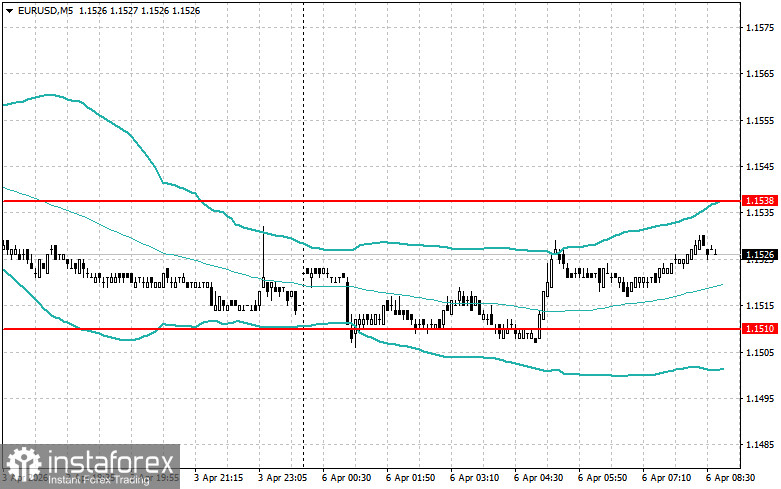
The dollar gained everything it could on Friday against the euro, the pound, and other risk assets, aided by strong US labor market data.
The unemployment rate in the US unexpectedly fell in March, indicating a stabilization in the labor market. The increase in the number of employed also surged by 178,000, exceeding all economists' forecasts. These favorable economic signals strengthened the US currency in the global arena, generating enthusiasm among investors. Typically, such a trend favors a strengthening of the national currency, reflecting a healthy economy and the dollar's appeal as an investment instrument.
Today, the eurozone market demonstrates cautious optimism despite the absence of new data. Traders seem to be getting used to the uncertainty and are seeking opportunities in other sectors where geopolitical risks are less pronounced. The energy sector, being at the center of geopolitical events, is facing the most pressure. The rise in oil prices due to tensions in the Strait of Hormuz could have a dual effect on both the European currency and the US dollar. On one hand, it supports oil exporters; on the other, it increases production costs for many European companies, undermining their competitiveness. Nevertheless, any escalation of the conflict may lead to a sharp strengthening of the US dollar as traders seek refuge in the world's most liquid currency.
Despite signs of a possible diplomatic resolution, risks remain high. In such conditions, it is recommended to exercise maximum caution and avoid making risky decisions until a clearer picture of developments emerges.
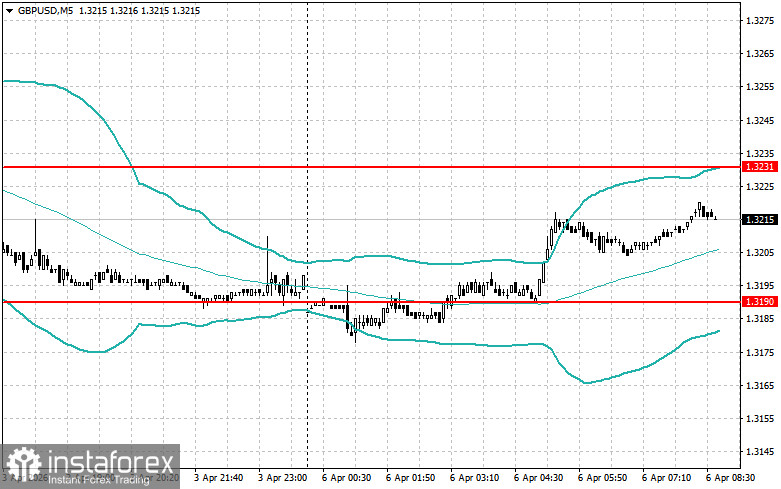
There is also no data from the UK today, so pound traders will be relying on new actions from the US.