
আরও দেখুন


 03.03.2026 12:14 PM
The euro and the British pound were traded very successfully today using the Momentum strategy. I did not trade using Mean Reversion, as I was expecting strong movements.
The euro, the pound, and other risk assets continued to decline following reports that the United States is only intensifying its military attacks on Iran, which is responding with countermeasures and has already closed the Strait of Hormuz. It is obvious that tensions in the Middle East have reached a new peak, which has triggered another wave of sell-offs. Many market participants agree that further weakening of risk assets is quite likely if the situation in the Middle East continues to deteriorate.
During the U.S. session, no significant macroeconomic statistics are expected that could have a substantial impact on market dynamics. The only indicator to be released is the RCM/TIPP Economic Optimism Index. Although this indicator reflects consumer and business sentiment, it is usually not a key driver of market movements on days lacking fundamental news. In the absence of other important economic data, all attention will be focused on speeches by two influential members of the Federal Reserve's Federal Open Market Committee (FOMC) — John Williams and Neel Kashkari. Their comments may contain valuable signals regarding future U.S. monetary policy, including possible further steps on interest rate changes.
In case of strong data, I will rely on the Momentum strategy. If there is no market reaction to the data, I will continue using the Mean Reversion strategy.
Momentum strategy (breakout) for the second half of the day:
For EUR/USD
For GBP/USD
For USD/JPY
Mean Reversion strategy (pullback) for the second half of the day:
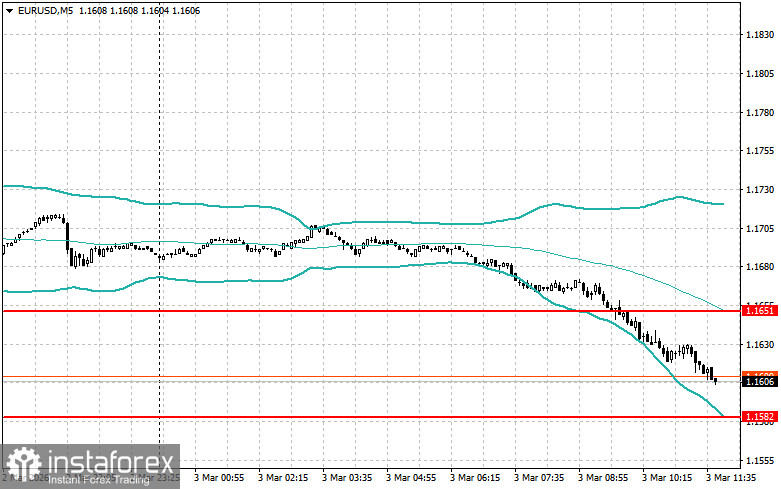
For EUR/USD
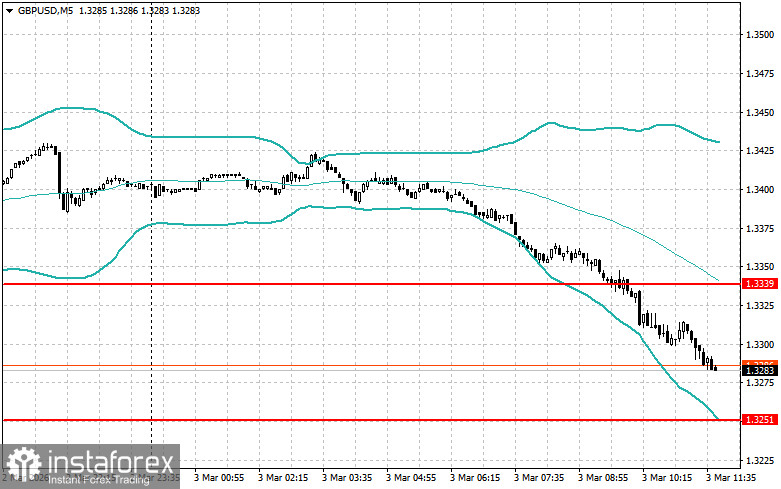
For GBP/USD
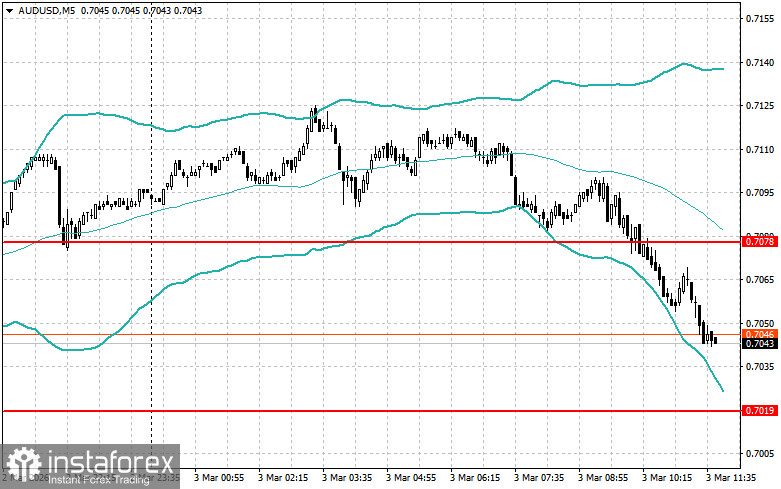
For AUD/USD
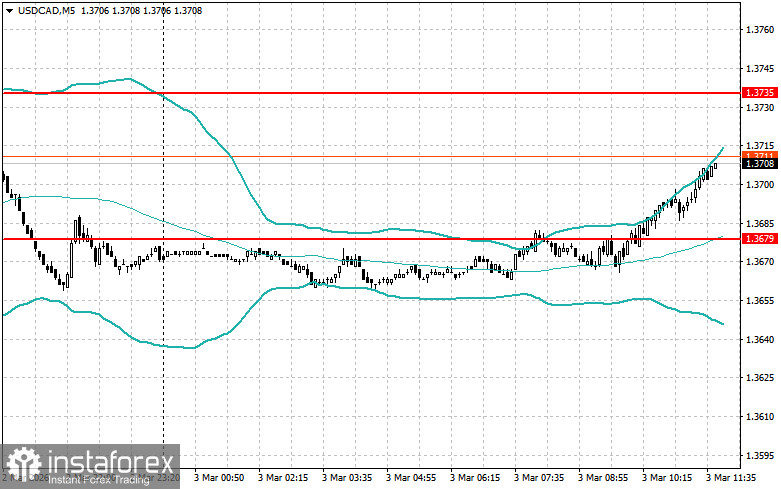
For USD/CAD


