আরও দেখুন


 11.02.2026 01:37 PM
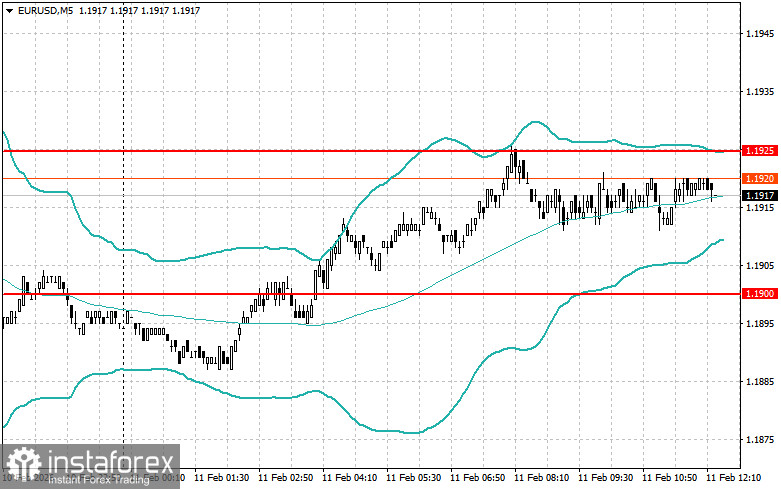
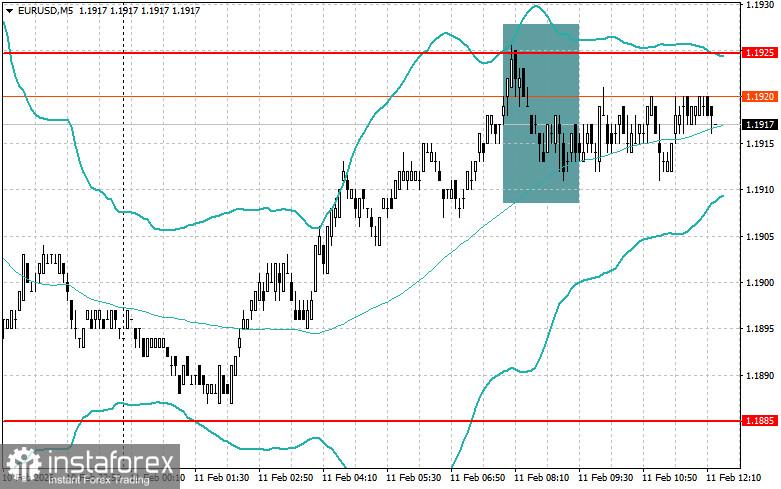
Today, only the euro was traded using the Mean Reversion strategy. Through the Momentum strategy, I traded the Japanese yen, which continued to strengthen against the dollar.
Due to the lack of important data from the eurozone, market volatility in the EUR/USD pair remained low, which allowed the strategy to work within the established sideways channel. Market participants are likely waiting for new macroeconomic statistics from the United States that could determine the direction of further developments. The absence of clear buying or selling sentiment is contributing to consolidation, which may continue until significant news emerges.
During the U.S. session, we are expecting very important data. It will begin with January's Nonfarm Payrolls and the unemployment rate, and conclude with figures on average hourly earnings and changes in private-sector employment. These releases are traditionally considered among the most significant indicators for assessing the state of the U.S. economy and are capable of generating substantial volatility in financial markets. Special attention will be focused on employment data, which is a leading indicator of economic activity. Strong figures may support the U.S. dollar, while weak ones could trigger its decline.
The unemployment rate, reflecting the share of the economically active population without jobs, also plays an important role. Its decline usually indicates improving economic conditions—something the Federal Reserve has recently been hoping to see.
In addition, average hourly earnings and private-sector employment figures will provide further insight into inflationary pressures and overall business conditions.
If the statistics are strong, I will rely on the Momentum strategy. If the market shows no reaction to the data, I will continue using the Mean Reversion strategy.
Momentum Strategy (Breakout) for the Second Half of the Day
Mean Reversion Strategy (Reversal) for the Second Half of the Day