Vea también


 10.10.2025 08:22 AM
American Dollar Strengthens Against All Currencies
The reason was the latest statements from U.S. Federal Reserve representatives, who indicated that, given the current government shutdown, further reductions in interest rates would be inappropriate.
Against the backdrop of budgetary turmoil in Washington, where uncertainty about the future of fiscal policy continues to grow, such rhetoric from the U.S. central bank came as unexpected and, essentially, counterproductive under current circumstances.
Traders who had expected a more flexible stance from the Fed reacted by selling euros and moving into dollar-denominated assets they considered more reliable.
However, the long-term consequences of this move remain unclear. The strengthening of the dollar will undoubtedly put pressure on American exporters, whose products will become less competitive in the global market.
On the other hand, this same development is likely to help reduce inflationary pressure, as imported goods will become cheaper for American consumers.
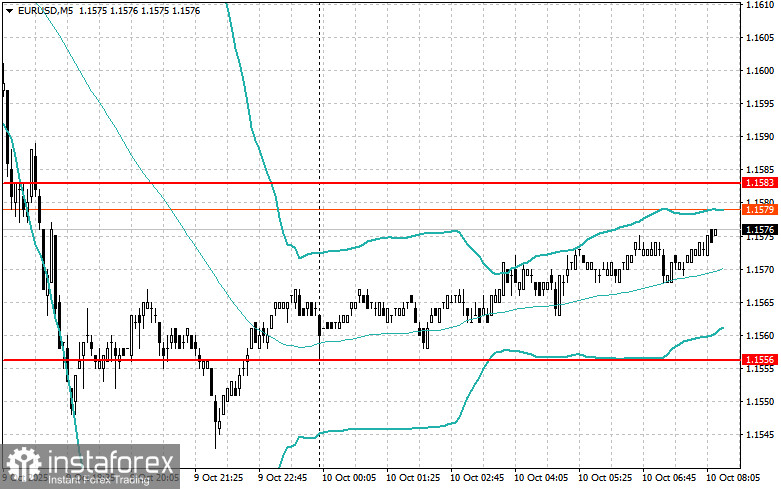
Today, there is no statistical data from the Eurozone, so the euro may get a chance for a slight correction. However, this potential rebound should not be overestimated. The lack of fundamental drivers does not guarantee sustainable growth.
Instead, it is a matter of technical necessity—a temporary breather after a strong downward movement.
Market players may try to take profits after successful euro shorts, potentially pushing the exchange rate upward temporarily.
Nevertheless, the long-term prospects for the European currency remain bleak. The looming threat of recession, political crisis, and geopolitical instability creates an unfavorable environment for the euro.
Any negative news from the region could again collapse the exchange rate, offsetting all attempts at correction.
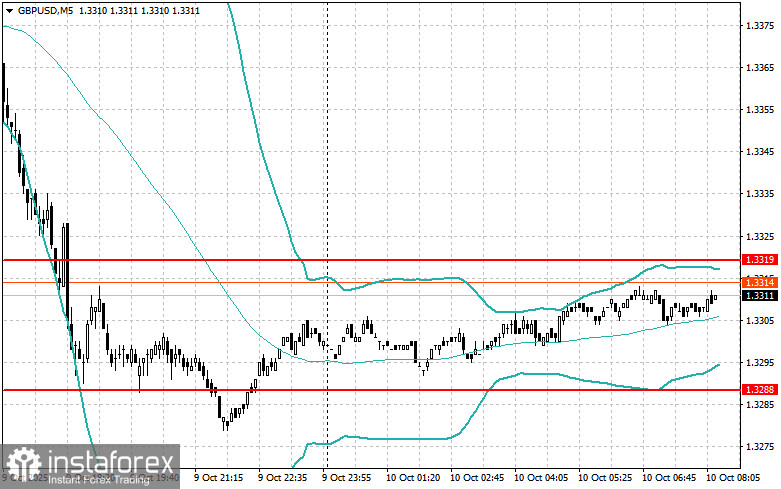
There is also no statistical data from the UK today, so the pound has every chance to continue falling toward new monthly lows.
If data aligns with analysts' expectations, it is advisable to rely on the Mean Reversion strategy. If data significantly exceeds or falls short of expectations, using the Momentum strategy is recommended.