
Vea también


 10.02.2026 12:57 PM
By analogy with yesterday, once again only the British pound and the Australian dollar were traded via the Mean Reversion strategy. Using the Momentum strategy, I traded the Japanese yen, which continued to strengthen against the dollar.
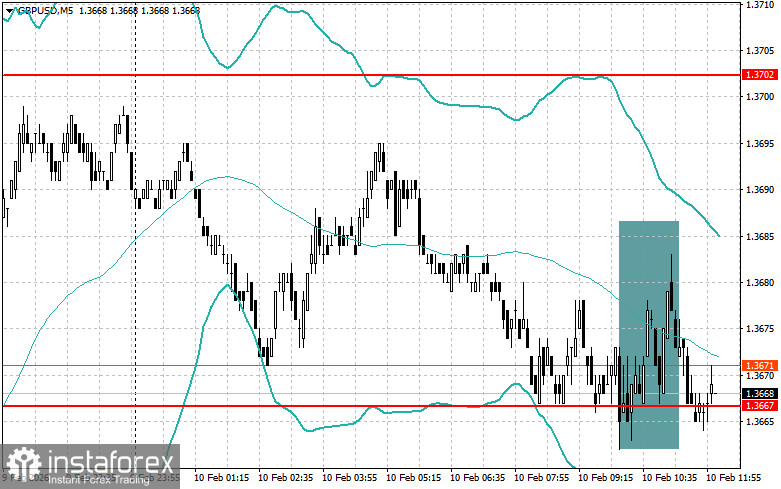
Given the complete absence of European statistics in the first half of the day, it is not surprising that many trading instruments went into a pause. All attention is now shifting to the second half of the day, when the market's focus will be on the release of key macroeconomic data capable of having a significant impact on the further direction of financial asset movements. In particular, reports on changes in retail sales volumes—intended to reflect consumer activity—and the weekly ADP employment change, which serves as an indicator of labor market conditions, are expected. These indicators often act as precursors to more large-scale unemployment and inflation data, so their exact readings and dynamics may trigger increased volatility.
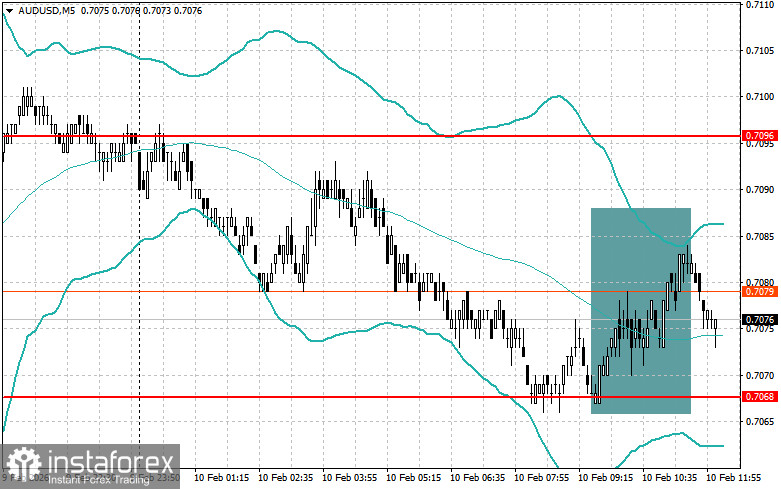
An additional factor that may shape market participants' expectations will be speeches by Federal Reserve representatives. Speeches by Beth M. Hammack and Lorie K. Logan are scheduled for this day, and their comments regarding the current economic situation, inflation trends, and the outlook for monetary policy may be interpreted as signals of possible future actions by the Fed. Any hints of further policy easing will be closely analyzed and reflected in the dollar's quotes to its disadvantage.
In the case of strong statistics, I will rely on the implementation of the Momentum strategy. If there is no market reaction to the data, I will continue to use the Mean Reversion strategy.
Momentum strategy (breakout) for the second half of the day:
For the EUR/USD pair
For the GBP/USD pair
For the USD/JPY pair
Mean Reversion strategy (pullback) for the second half of the day:
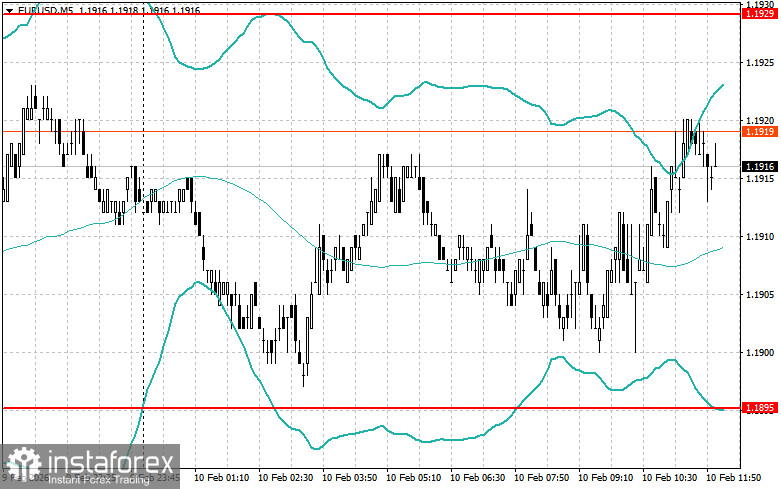
For the EUR/USD pair
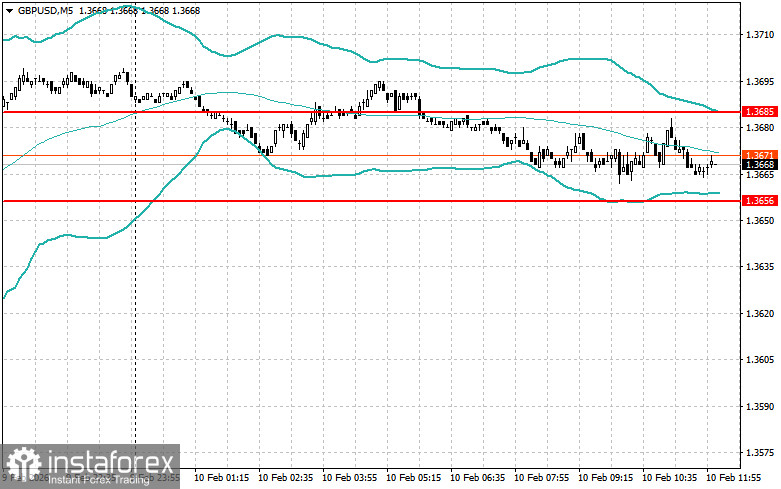
For the GBP/USD pair
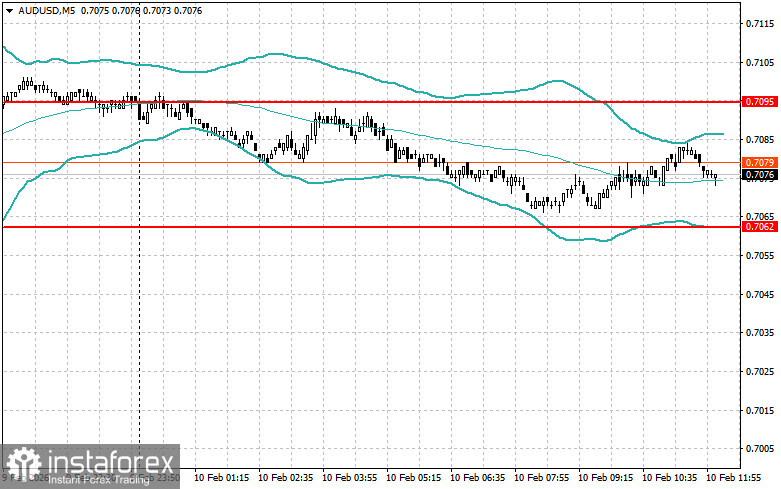
For the AUD/USD pair
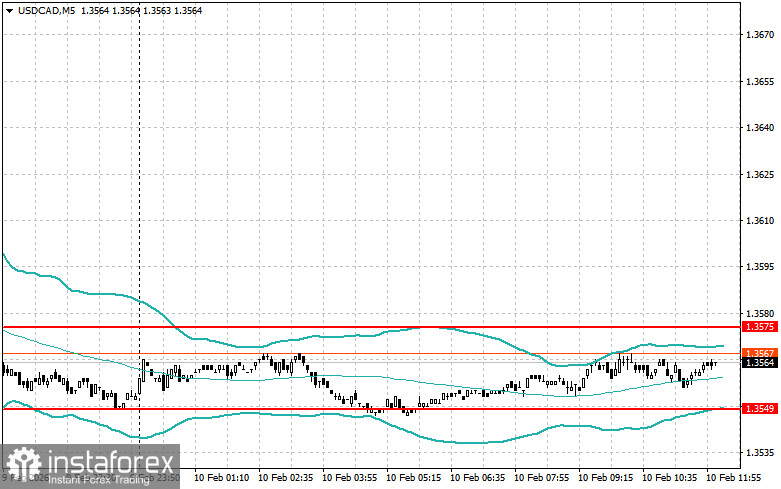
For the USD/CAD pair


